Land development for CO₂ hubs
CCS roadmaps treat land development as a checkbox between select technology and begin construction. Three centuries of industrial history say that's how projects die.
- The land equation
- Conclusion
- Footnotes
- Bibliography
- Backlinks
Every industrial transition has a land equation. Abraham Darby scouted Coalbrookdale for months before smelting iron with coke in 1709. Andrew Carnegie walked the Monongahela River for weeks before picking Braddock for the Edgar Thomson Steel Works. The pattern holds across three centuries: breakthrough technology means nothing without the right land, secured and permitted at the right time.
CO₂ hubs are industrial real estate projects with extreme technical overlays. They need proximity to emitters, harbour or pipeline access, stable ground for heavy cryogenic equipment, and regulatory approvals spanning local councils to international maritime authorities. Yet most CCS roadmaps treat land development as a checkbox between select technology and begin construction. The projects moving fastest treat it as the foundation, not a footnote.
Drawing on industrial land development methods and discussions with cryogenic engineers, this post aims to “reconnect us to the process and spirit of building” (Zogolovitch2018) by walking through what greenfield CO₂ hub development actually requires—from pre-design feasibility through to construction—and why getting the land equation right is the difference between operating terminals and cautionary tales.
The land equation
The greatest danger lies not in ignorance, but in the false confidence of half-knowledge, which builds upon sand where rock is needed.
John Ruskin
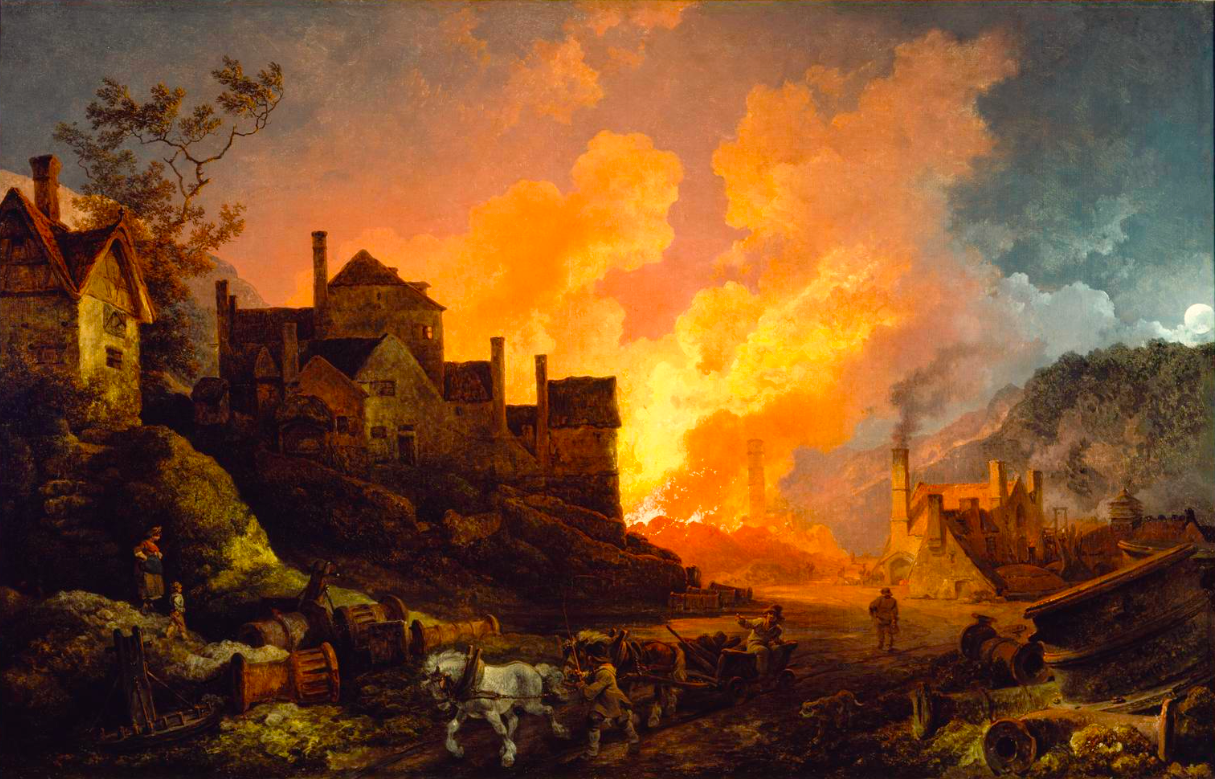
Abraham Darby invented coke-smelted iron in 1709, a major breakthrough for British iron production. But before any of that, he spent months scouting Coalbrookdale for a site with access to coal seams, iron ore, and water transport in the same valley. The technical breakthrough mattered, but the location made it economically viable.
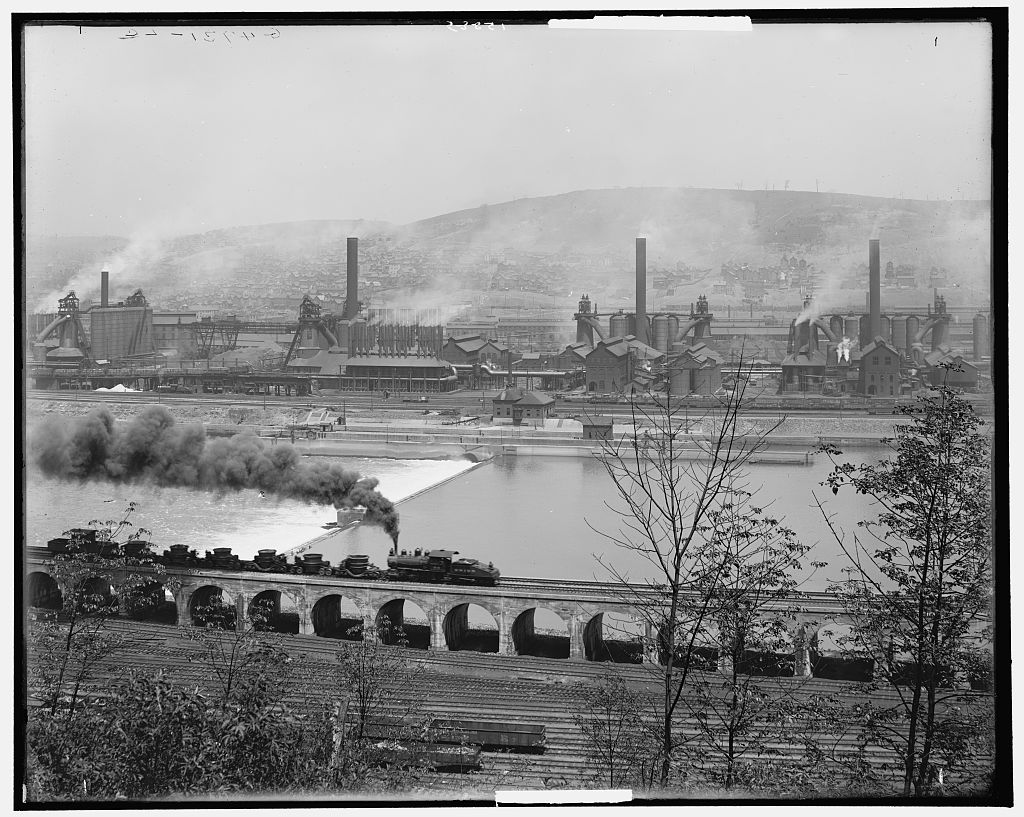
Andrew Carnegie did the same in 1873. He and his brother walked the Monongahela River for weeks, prospecting sites where rail, coke, and water transport intersected. When they picked Braddock for the Edgar Thomson Steel Works, it was not random. That location turned Bessemer steel from niche metallurgy into America’s industrial backbone.
Tesla’s Fremont factory worked because Musk bought an abandoned GM-Toyota plant cheaply in 2010; one with power infrastructure, logistics access, and industrial zoning already in place.
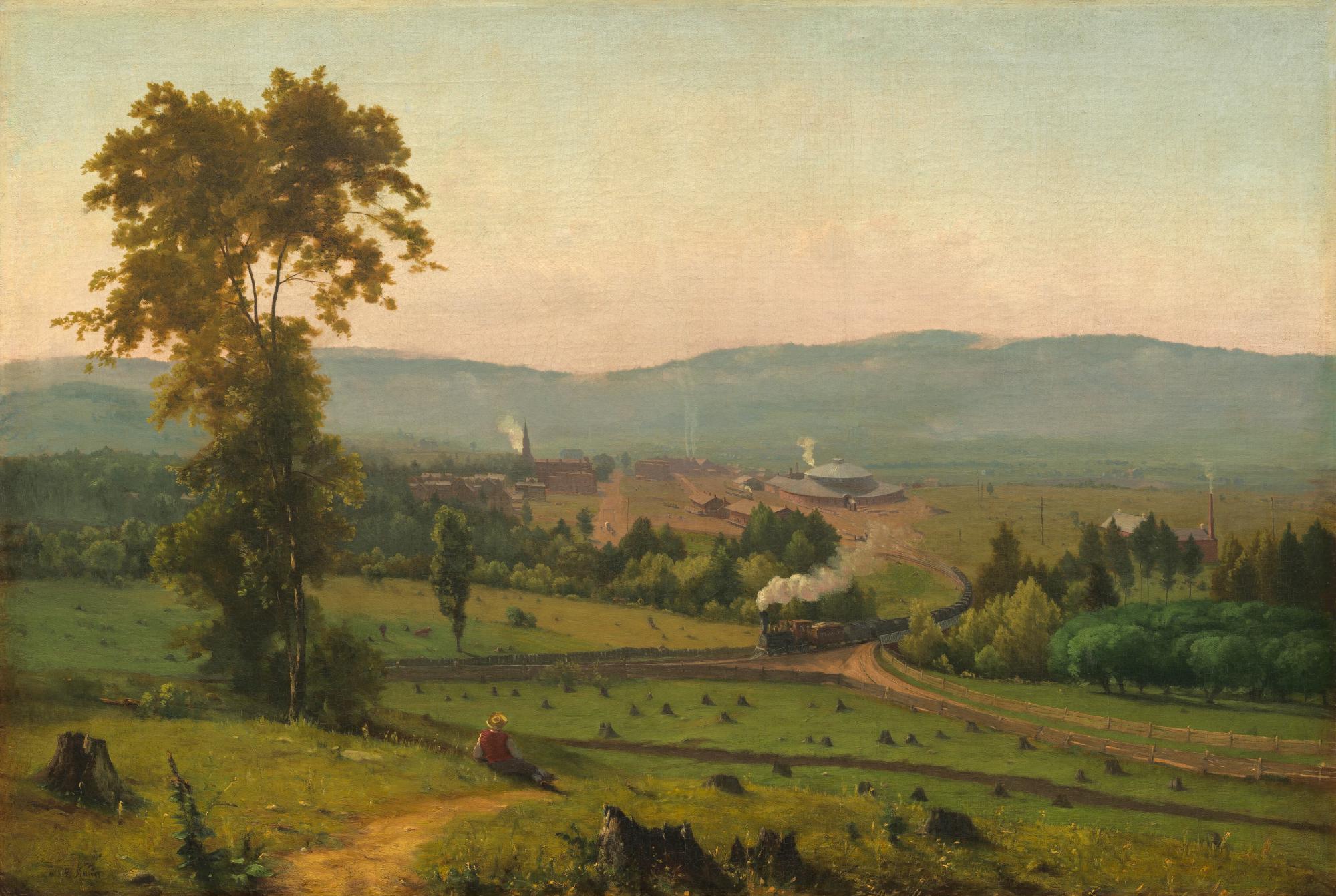
Site selection determined which technical breakthroughs scaled and which stayed on paper. That still hasn’t changed.
Industrial land is more than a checkbox
I’ve reviewed many CCS roadmaps over the past few years. Most are technically sound. The capture technology works. The storage geology is mapped. The transport economics look good at scale. But land development? It is usually a checkbox between select technology and begin construction; maybe with a couple of bullet points like secure site, and obtain permits. Sorry, that’s not quite how it works.
CO₂ hubs for carbon capture and storage (CCS) 1 are more like industrial real estate projects with extreme technical overlays. You need proximity to CO₂ emitters, harbour or pipeline access for connection to a carbon transport and storage 2 logistics chain, stable land for heavy cryogenic equipment and tanks, deep berths for >20,000 m³ LCO₂ carrier ships, and regulatory approvals spanning local councils to international maritime authorities. Whether designed as shared capture and processing facilities or distribution terminals, these hubs require strategic land development that most CCS discussions gloss over entirely.
Even well-funded projects with strong technical teams can sink here. Some friends at Equinor were involved with a CO₂ pipeline in Denmark. Their team is exceptionally talented. Either way, the project got derailed negotiating with thousands of private landowners to get a building permit. Securing approvals one at a time becomes nearly impossible at this scale.
I have also heard of greenfield 3 sites abandoned after years of zoning battles. As community opposition hardens, timelines stretch to infinity. Who has that kind of patience? The projects that succeed do not just have better technology. They have better land strategies.
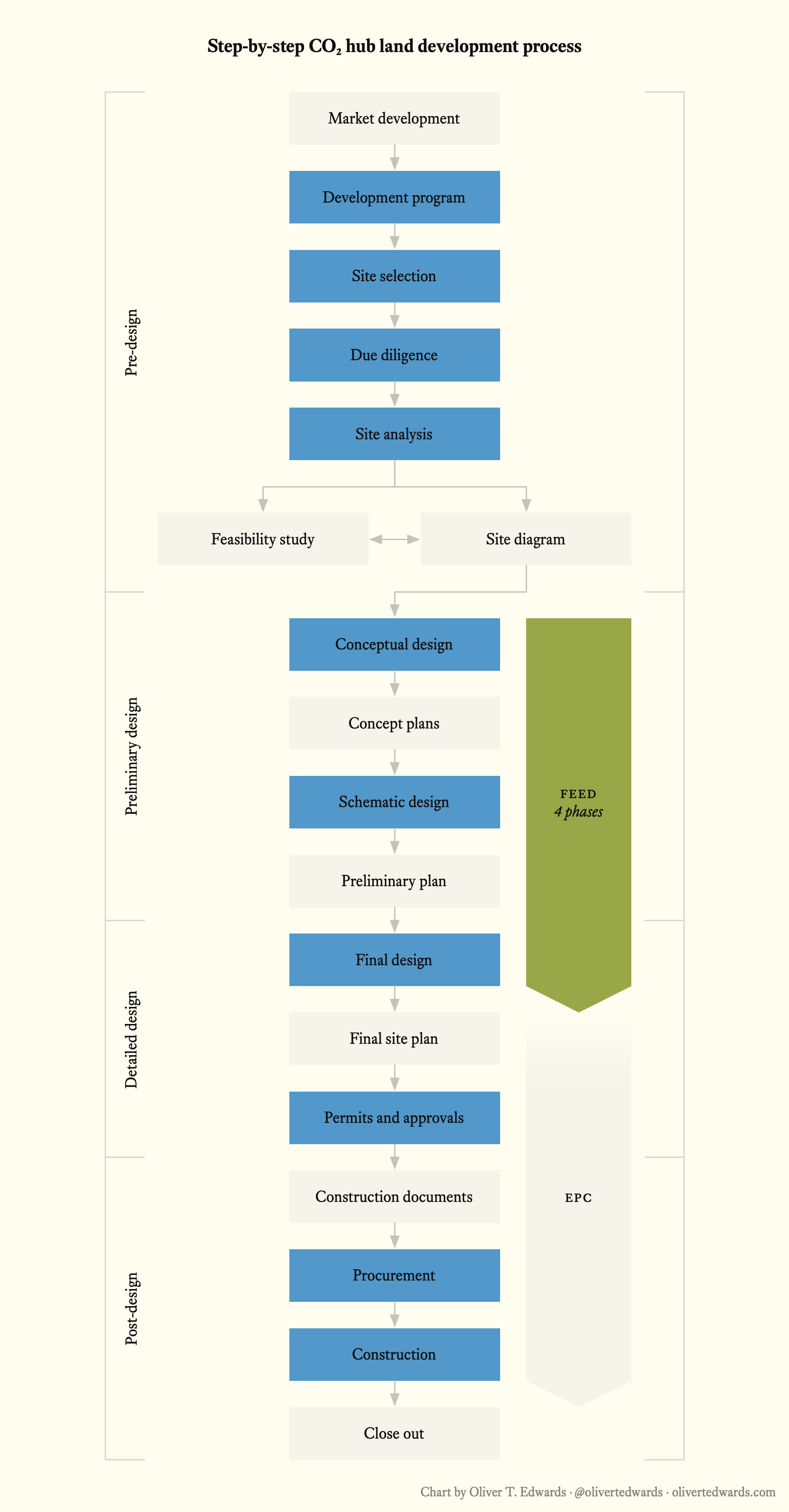
Pre-design is where projects live or die
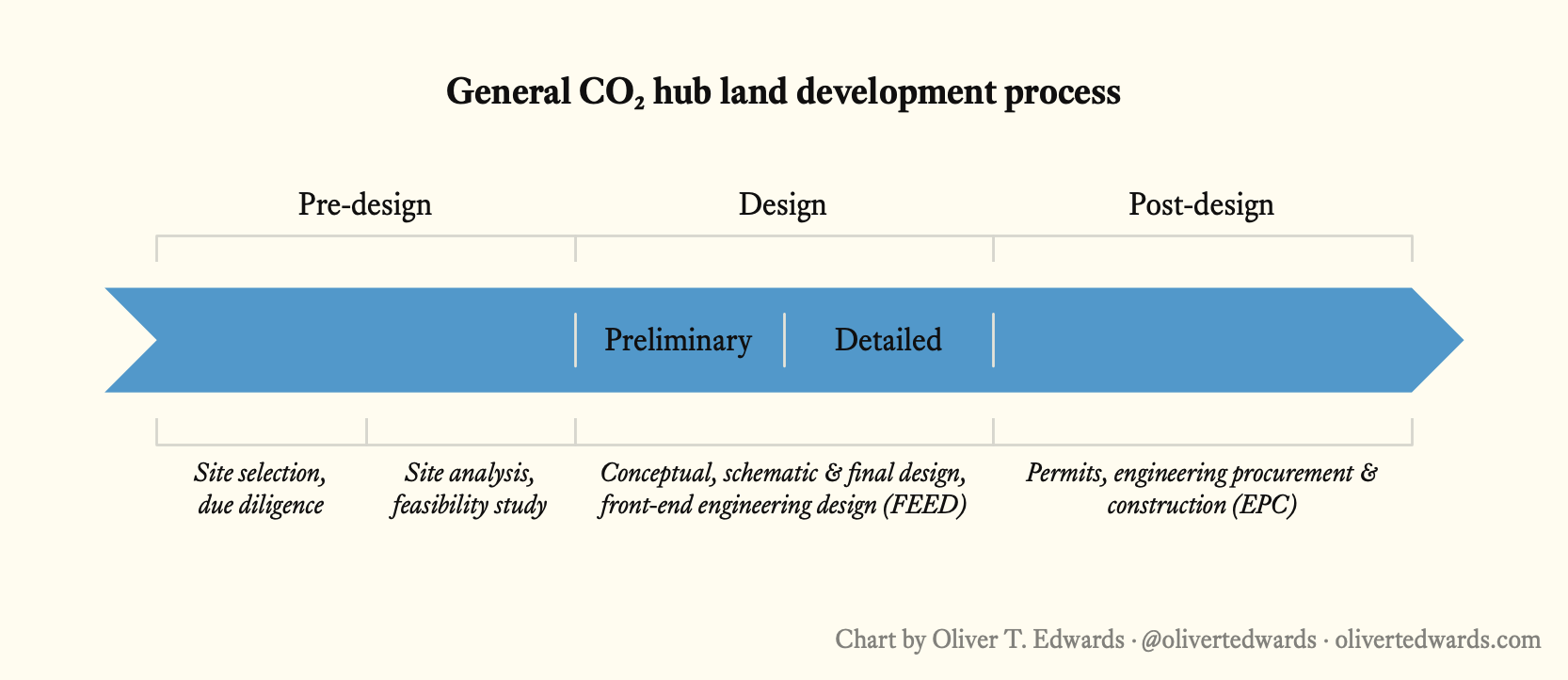
The make-or-break work happens in pre-design: exploratory, low-investment work to prove viability before committing serious capital. Given the novelty of CO₂ hubs, few have built them, but the process leans heavily on established industrial land development methods; adapted for the specialist engineering that cryogenic CO₂ handling demands.
CO₂ terminals also fall within the hub development category, though many port developers will argue that “special powers are required to bring forward any new harbour development” (Irving2019). Plots within a port are typically pre-zoned and offered under a concessionary landlord model (Notteboom2022, pp.306), altering the development process considerably.
Development program
It starts with defining the hub’s purpose and scope. Is this a volume aggregation terminal, a transshipment point, or a utilisation hub? The development program outlines objectives and requirements (including proposed use, design needs, and throughput volumes) aligned with regional sustainability targets and market demand. This initial framework guides all subsequent steps, though it will evolve as design work advances. Significant changes later can impact schedule and budget, so getting the foundation right matters.
Site selection
Site selection narrows the focus to specific locations, prioritising sites near industrial clusters with access to railway, pipeline, or deep-water infrastructure. This step involves early dialogue and negotiations with landowners or port authorities; conducted with appropriate care, since trust built here carries through the entire project. The goal is to discover whether the site you want is actually available, affordable, and politically feasible. Preliminary environmental impact assessments are conducted at this stage to surface constraints early, while process engineers begin assessing regulatory and physical aspects alongside the development team.
Due diligence
Due diligence dives deeper, evaluating market viability, regulatory compliance, site potential, and economic feasibility before major commitments are made. This is where external specialists (legal advisors, environmental experts, financial analysts) are typically engaged to ensure thoroughness across areas too complex for any single team.
Market analysis generates the supply and demand insights that drive sound decision-making. This means defining the target market (which emitters, which transport firms, what volumes), assessing supply and demand dynamics by examining existing hubs and regional trends, evaluating the competitive landscape including nearby facilities and their capacities, and projecting revenue potential through storage fees and contract timelines. Economic trends like carbon pricing and policy shifts feed into this, with regular updates ensuring adaptability as conditions evolve.
Initial site assessment moves from desktop research to a basic evaluation of physical conditions and regulatory status, producing an early go or no-go decision. This also means gauging the landowner’s willingness to participate and building trust as the project takes shape. Landowners may leverage increased property values, requiring careful negotiation. Their inputs (recent land title surveys, for instance) can prove invaluable, while for harbours, early engagement with municipal owners can unlock concession terms. The assessment blends physical traits (proximity to emitters, infrastructure access) with legal factors (zoning, easements), offering a foundation for pricing and planning.
Economic feasibility stress-tests whether the project pencils out. Cash flow analysis balancing fees against costs, evaluations of land prices, development timelines, and revenue potential from transport and storage contracts. This involves calculating development costs (tanks, pipelines, permits) and soft costs (consultancy, legal), while considering loan-to-value ratios, lending guidelines, and financing availability. Municipal requirements such as performance guarantees or grants, alongside documentation like pro forma statements, further shape the picture.
Stakeholder engagement is another area where many projects quietly succeed or fail. Building a CO₂ hub requires a thoughtful approach to engaging regulators, CO₂ suppliers, and community groups. This means assessing local sentiment toward CO₂ infrastructure, addressing concerns about safety and environmental impact, and identifying potential regulatory hurdles like delays in storage permitting. A structured plan for consultations (including public meetings and workshops) alongside clear regulatory engagement covering permit timelines and compliance, helps navigate what can otherwise become an opaque and adversarial process.
Site analysis
Site analysis evaluates a site’s physical conditions in detail, focusing on environmental, cultural, and infrastructure elements to pinpoint opportunities and constraints. It yields a site inventory, defines usable areas, and provides base mapping for design. By this stage you may have onboarded the landowner, which makes further investigation considerably easier.
A deeper look at site constraints and opportunities involves conducting a land title survey, walking the property to document features like topography, wetlands, and cultural resources, and assessing potential constraints—poor soils, geological hazards, limited transport access—while identifying opportunities like existing utilities or harbour proximity. Additional investigations into environmental impacts, utility capacity, and cost implications (foundation reinforcements, for instance) further refine suitability.
Government constraints and opportunities determine what can actually be done on the property. This means reviewing the community’s development approval procedures, gauging local attitudes, and examining existing plans (comprehensive or growth management plans) to understand alignment with the area’s future vision. Zoning laws dictate allowable uses and restrictions, while the permitting process can significantly impact timelines. Confirming whether the property’s zoning supports industrial use, and noting any overlay districts or special requirements, is essential groundwork.
Feasibility study
The feasibility study integrates everything (market, regulatory, technical, and economic data) into a formal report that culminates in a hard go or no-go decision. A critical component is the risk assessment: identifying potential challenges (regulatory delays, cost overruns, technical failures) and outlining mitigation strategies. Do not rush this step, or you risk millions on land you cannot permit or build on.
The financing strategy builds on the economic feasibility assessment. This means identifying funding sources tailored to project needs, exploring CCS-specific incentives like grants or carbon credit programmes, finalising loan-to-value ratios, securing municipal financing options, and preparing comprehensive documentation for lenders. Updating financial projections with refined cost estimates from site analysis strengthens the case.
The land acquisition strategy plans the purchase or leasing of the chosen site in alignment with budget and legal constraints. This involves preparing to finalise a land purchase contract or negotiate a harbour lease or concession agreement, confirming budget availability, addressing legal hurdles identified during due diligence (easements, title issues), and converting early discussions into binding agreements. Securing necessary approvals for land use changes (including zoning adjustments or port concessions) completes the process.
Site diagram
The site diagram is the initial graphical depiction of proposed site conditions, drawn on the base map to illustrate geographic relationships using data from site analysis and due diligence. It consolidates key insights and serves as a vital foundation as the project transitions into the design phases with process engineers.
From pre-design to reality
Once pre-design gives the green light, the process flows into design and execution. The phases overlap to maintain momentum; Front-end engineering design (FEED) 4 (beginning with a pre-FEED) runs alongside preliminary design, and EPC activities begin during detailed design and permitting. But none of it works if pre-design treated land as a simple checkbox.
Preliminary design
The preliminary design phase transforms the pre-design vision into initial layouts. Engineers sketch configurations for CO₂ storage tanks, loading docks, and pipeline routes, ensuring alignment with safety regulations and scalability for future expansion. These concepts evolve into multiple layout options for stakeholder review, often sparking early discussions with port authorities or local agencies. A preliminary plan (roughly 30% complete) is used for formal submissions like rezoning or special permit applications.
Front-end engineering design (FEED) 4 serves as the technical cornerstone, a structured process that begins in sync with conceptual design, refines the layout, and provides outputs feeding into detailed design. FEED anchors technical specifications with process engineers to develop conceptual and schematic designs before the project advances further.
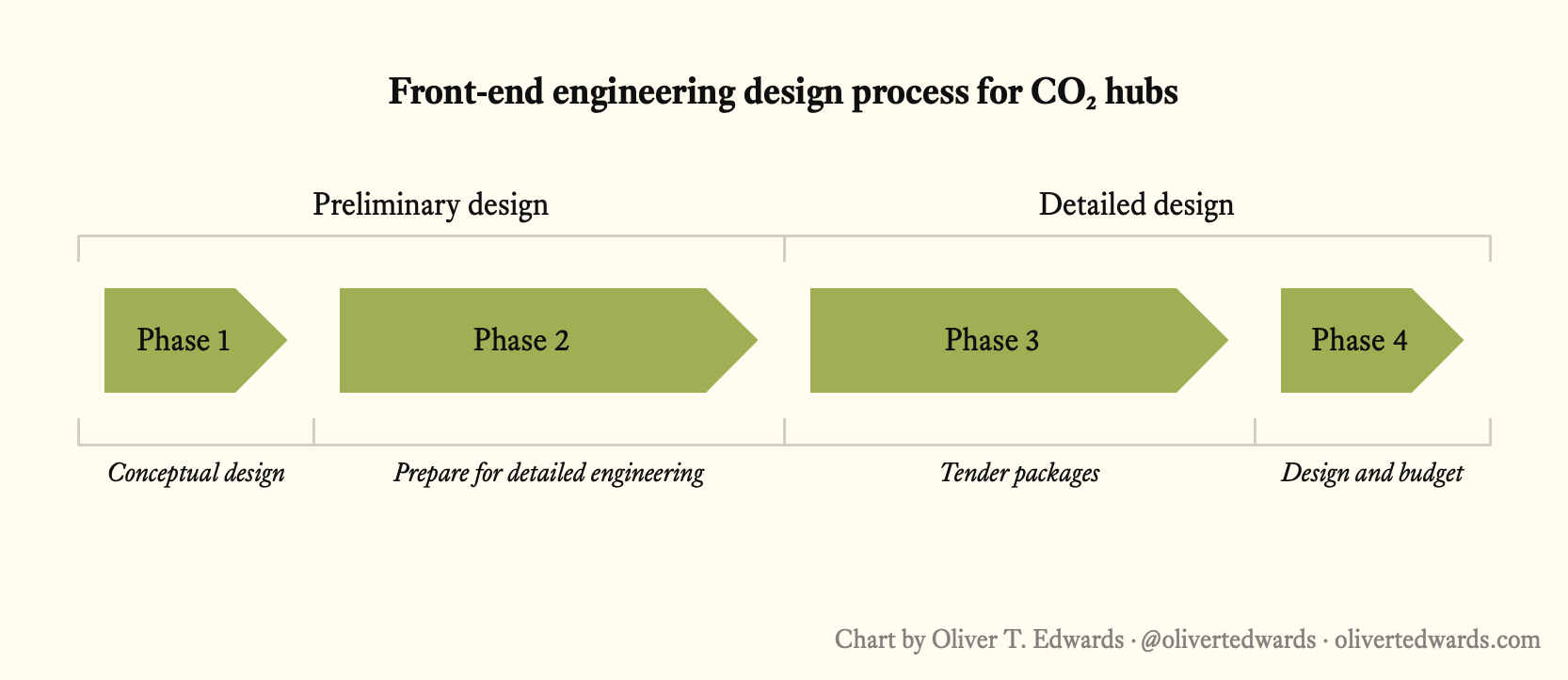
Schematic design then refines the preferred concept plan, leveraging FEED’s technical outputs to add precise scale and site details. Equipment placement, material considerations, and regulatory compliance are layered in (representing roughly 30% of the final design effort with expected modifications) offering greater detail for formal submissions and a final check before detailed design begins.
Detailed design
Detailed design builds on FEED outputs as the project moves toward construction readiness. Engineers transform the schematic design into a comprehensive final design with the precision required for construction and permit approval. The building design team may adjust architecture to accommodate infrastructure elements like CO₂ storage tanks or pipeline routes. The resulting final site plan is submitted for regulatory review and permitting, serving as the blueprint for construction once approved.
As engineering, procurement, and construction (EPC) 5 activities often begin during this phase (particularly as permitting advances) this overlap ensures procurement and construction planning are aligned with design completion.
Post-design
The post-design phase turns blueprints into operating infrastructure. Permits and approvals leverage FEED’s budgets and design outputs to secure CO₂-specific authorisations (environmental, storage, and transport permits) often requiring public hearings to address community concerns about risks like leaks. Construction documents detail safety specifications and harbour berth requirements, translating FEED designs into actionable plans. Procurement uses FEED tender packages to purchase critical equipment: CO₂ tanks, pipelines, loading arms, and ancillary systems.
Throughout construction, rigorous management and quality control ensure the hub is built as designed. Commissioning then verifies operational readiness through testing and validation before the facility goes live.
Port dynamics
Developing a harbour site is quite different from most industrial projects, for one critical reason: harbours are often partially or fully owned by public entities such as municipalities, making them key players (sometimes team members) in hub development (Dewberry2019, pp.4). Unlike private entities, public owners must prioritise public service alongside profit, while achieving regional sustainability and economic goals like job creation.
Working with a supportive municipality is a significant advantage. But public involvement introduces distinct challenges: funding constraints tied to tax appropriations or bonds, political will that shifts with election cycles, and regulatory processes spanning local zoning to maritime transport law. Elected officials’ support can change due to citizen opposition, competing budget priorities, or political dynamics; any of which can halt a project.
Public-private partnerships (PPP) 6 are increasingly vital here, allowing private developers to finance and manage CO₂ hubs in collaboration with municipalities. Well-structured PPPs reallocate risks and drive efficiencies in cost, time, and innovation; but they need careful structuring from the beginning to work.
Northern Lights and Porthos nailed land
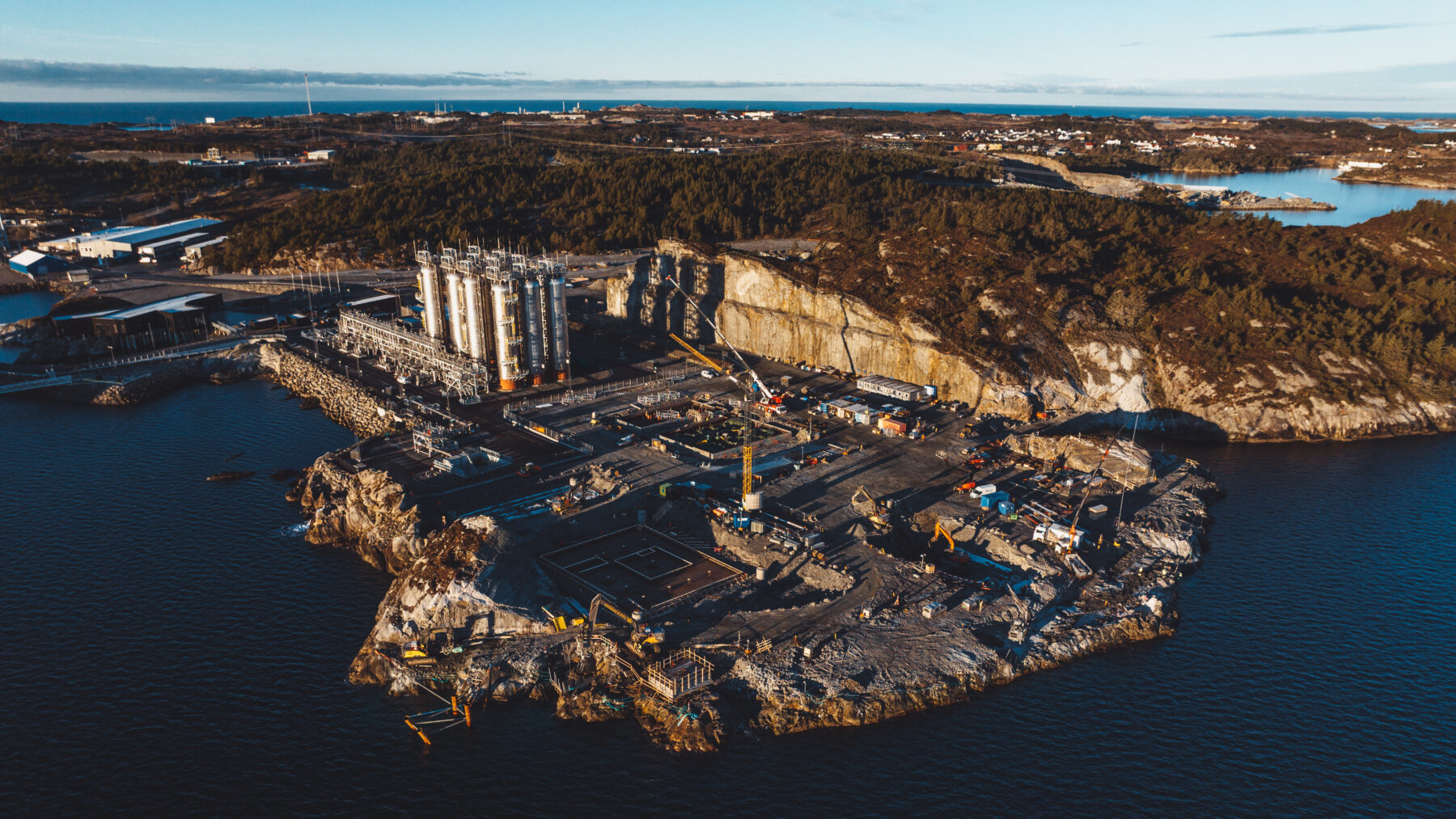
Northern Lights in Norway and Porthos in the Netherlands get cited for their technical achievements, and rightly so. The cryogenic handling, ship design, and offshore injection infrastructure are all impressive. But what made them possible was also great land strategy. Both secured strategic port concessions early with strong public backing. Both selected sites where industrial zoning was either already in place or achievable, keeping permitting timelines practical and community friction low.
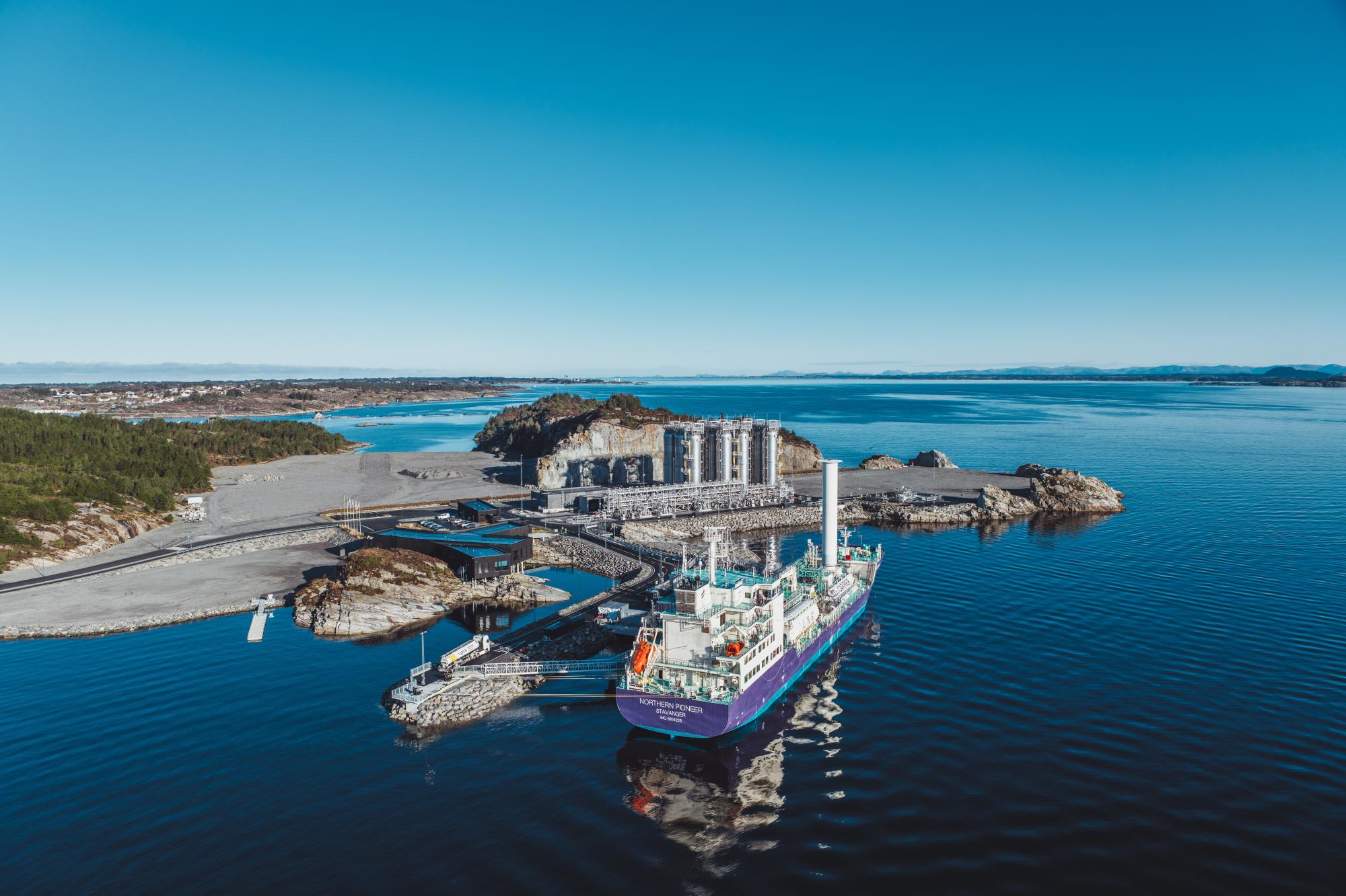
They did not just build terminals. They built them on sites where the land equation was already half-solved. Contrast that with projects that stumble or fail. Most do not announce land issues publicly; for good reasons. They just go quiet. Timelines stretch. Feasibility updates stop. Stakeholders drift. Two years later, you might hear that the permits fell apart, port negotiations collapsed, or community opposition became unworkable. The pattern is consistent: treat industrial land as secondary, and you lose momentum.
Conclusion
This connects to shared hubs
I’ve previously written about how shared, multi-user terminals can unlock CCS scale by pooling volumes and avoiding the infrastructure duplication in a way that kept early LNG costs high for decades. But here’s the thing: shared hubs only work if you can actually build them.
Strategic land development (especially via port concessions and well-structured PPPs) is what turns shared hub concepts from slides into operating terminals. You can have perfect hub economics on paper. But if you cannot secure, permit, and develop the site, those economics never materialise.
At Normod Carbon, where I’m developing CO₂ terminal concepts and shared infrastructure, we know that getting the land equation right is key to economically viable hubs. The projects moving fastest have great technology, but they also treat land development as a foundation. That is why we collaborate closely with all stakeholders to map the best approach before committing to a specific development path.
We don’t have decades
Darby spent months finding Coalbrookdale. Carnegie spent weeks selecting Braddock. Musk spent years hunting for Fremont before the opportunity emerged. CCS does not have that luxury. We have maybe ten years to build the terminal network that unlocks mid-sized emitter access at scale. If we spend three of those fixing land strategies that should have been solved in pre-design, we have lost critical momentum.
Developers with real industrial real estate experience (who understand concession negotiations, PPP structuring, stakeholder engagement, and the mechanics of getting shovels in the ground) have an edge right now. As I put it to a friend at DLA Piper recently: many people totally underestimate the importance of land development as part of the industrial development process. It starts with solid due diligence, but not just “is this a good site with stable soil and customers.” It’s the full chain of regulatory navigation, municipal dynamics, and stakeholder alignment that determines whether a project actually gets built.
The projects that get this right will define whether CCS scales in time. The ones that do not will become cautionary tales, and we will wonder why we did not see it coming.
If you are developing CCS infrastructure and land development is not your first strategic conversation (or if it is buried on page twelve as a two-line checklist) I would welcome comparing notes on what is working, what is proving harder than expected, and where the bottlenecks are showing up.
-
Carbon capture and storage (CCS) is a process by which carbon dioxide (CO₂) from industrial installations is separated before it is released into the atmosphere, then transported to a long-term storage location. ↩︎
-
Carbon transport and storage (CTS) is the infrastructural and logistical link enabling the carbon capture and storage (CCS) value chain to function. ↩︎
-
In real estate, a greenfield refers to undeveloped land in a rural or suburban area that has not been previously built upon or developed for a specific purpose, offering a “clean slate” for new development projects, such as residential, commercial, or industrial construction. ↩︎
-
Front end engineering design (FEED); process for conceptual development of projects in processing industries such as upstream oil and gas, petrochemical, natural gas refining, extractive metallurgy, waste-to-energy, biotechnology, and pharmaceuticals, involving developing sufficient strategic information with which owners can address risk and make decisions to commit resources in order to maximize the potential for success. ↩︎ ↩︎
-
Engineering, procurement, and construction (EPC); form of contract used to undertake construction works by the private sector on large-scale and complex infrastructure projects, often following a front-end engineering and design (FEED) contract. ↩︎
-
Public-private partnerships (PPP, 3P, or P3) are a long-term arrangement between a government and private sector institutions. Typically, private capital finances government projects or services up-front, then draws revenue from taxpayers or users for profit during the course of the contract. ↩︎
Bibliography
-
Zogolovitch2018 “Shouldn’t We All Be Developers?”, Solidspace
Roger Zogolovitch’s case for independent and small-scale development as a structural contribution to UK housing supply, arguing that the planning and financial systems have progressively consolidated residential development in the hands of a small number of volume housebuilders at the cost of quality, variety, and throughput. The argument — that removing barriers to smaller developers would increase supply more sustainably than waiting for large builders to accelerate — is a direct application of the same logic behind CO₂ hub aggregation: shared infrastructure and lower entry costs enable more participants, and more participants produce more output than a concentrated market can deliver alone.
-
Notteboom2022 “Port Economics, Management and Policy”, Routledge
The definitive academic treatment of port economics and port management, combining economic theory with empirical analysis of port operations, governance structures, hinterland connectivity, and the competitive dynamics of the global port industry. Port Economics, Management and Policy provides the conceptual tools for analysing ports as logistics nodes rather than just physical infrastructure — how cargo flows, pricing, land use, and governance interact to determine whether a port generates value for its hinterland or concentrates it at the quayside. Essential background for anyone designing a CO₂ hub that needs to understand how port economics will shape the commercial viability of shared infrastructure.
-
Irving2019 “Harbour Development: A Practical Guide”, Winckworth Sherwood
Practical introduction to the authorisation process for port and harbour schemes in England under the Harbours Act 1964, covering the consenting sequence, permissions required, and the key disciplines that project teams need to navigate a compliant application. The guide is aimed at developers and consultants new to harbour consenting — which describes almost everyone working on CCS terminal development today, since purpose-built CO₂ terminal infrastructure is a new asset class without an established permitting precedent. Understanding what the Harbours Act requires, and when it applies versus nationally significant infrastructure thresholds, is foundational planning knowledge for any port-based hub proposal.
-
Dewberry2019 “Land Development Handbook”, Dewberry
Standard reference for land development practice in the United States, covering the full project lifecycle from site feasibility and preliminary engineering through permitting, grading design, and construction administration. The book is most useful as a step-by-step orientation to the regulatory and technical sequence that every site development project must navigate — a useful frame for understanding why CO₂ terminal and hub development faces lead times measured in years rather than months, and why early-stage feasibility work needs to engage planning, environmental, and infrastructure constraints in parallel rather than sequentially.